
Compounded Testosterone for Women
May support desire and sexual well-being after menopause
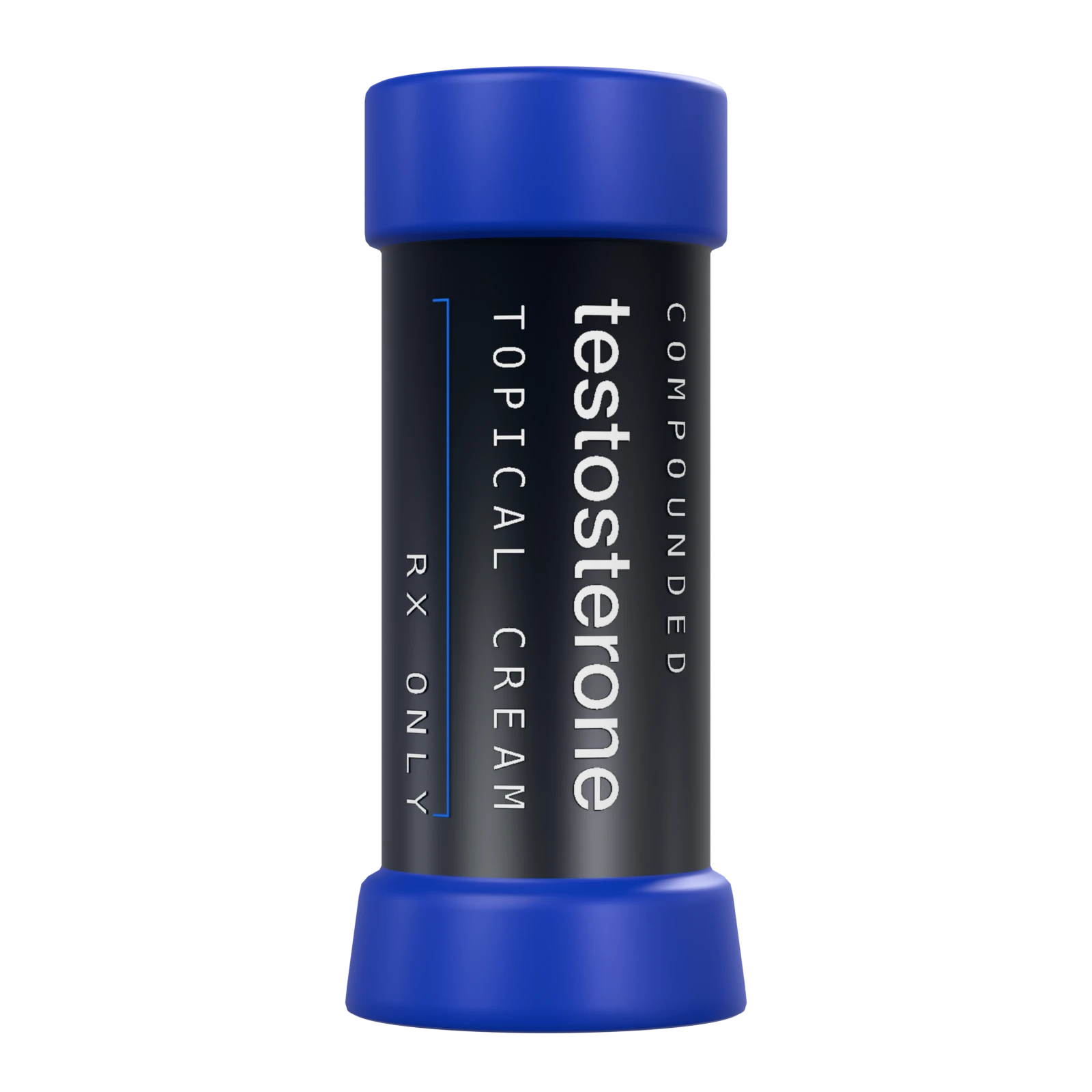
For postmenopausal women with HSDD, benefits may include
- Increased sexual desire
- Improved sexual arousal and responsiveness
- Improved orgasmic function and pleasure
- Reduced sexual distress
Form
Cream
On the schedule your provider sets
- 3 month minimum
- Starting at$179/month
Includes free consult
Prices shown are for the starting dose. Your card is held at checkout. You're billed monthly, as your prescription allows and for what you order. If your plan renews, cancel in your patient portal at least 48 hours before the next renewal to avoid the next charge.
Treatment is prescribed only if a licensed provider decides it is right for you.
- Cream, on the skin
- At home
- Dose set by your provider
- Labs before you start
- Licensed providers
- Licensed U.S. pharmacies
- Secure patient portal
- Discreet delivery
The science
About Testosterone for Women
- What it is
- Testosterone is a hormone women make too, in the ovaries and adrenal glands, in much smaller amounts than men. The cream is testosterone in a cream base that a compounding pharmacy prepares, absorbed through the skin. No testosterone product is FDA-approved for women in the U.S., so a provider who prescribes it for a woman does so off-label, at a dose far below men's.
- Class
- Androgen, Schedule III controlled substance
- How it works
- Once absorbed, testosterone binds to androgen receptors inside cells, as the body's own testosterone does, and some of it is converted to estradiol. In women, treatment aims to keep blood levels within the range normal before menopause, and your provider checks your level with blood tests.
- How it's taken
- A cream you apply to your skin at home, on the schedule your provider sets. Your provider shows you how much to apply and where. Afterwards, wash your hands with soap and water, let the cream dry and cover the area with clothing, and wash the area before any skin-to-skin contact.
Sources
- Global Consensus Position Statement on the Use of Testosterone Therapy for Women (J Clin Endocrinol Metab, 2019), PubMed Central, U.S. National Library of Medicine. Accessed November 21, 2026.
- Testosterone gel for topical use: prescribing information (revised August 2025), DailyMed, U.S. National Library of Medicine. Accessed November 19, 2026.
- Safety and efficacy of testosterone for women: a systematic review and meta-analysis of randomised controlled trial data (Lancet Diabetes Endocrinol, 2019), PubMed, U.S. National Library of Medicine. Accessed November 21, 2026.
The information on this site is for general education and is not medical advice.
Compounded medications are prepared by a licensed pharmacy for an individual patient and are not reviewed or approved by the FDA for safety, effectiveness or quality.

Your care
How it works
Five steps, from your symptoms to ongoing care.
Step 1: Symptoms
Tell us your symptoms, health history, the medicines you take and any allergies. Testosterone is a controlled substance, so federal and state rules set how a provider must evaluate you before prescribing, and that can include a live video visit.
Step 2: Labs
Comprehensive lab work comes first: your provider reviews your testosterone levels before deciding anything.
Step 3: Provider consultation
A licensed provider reviews your symptoms, history and any lab results, and decides whether treatment is right for you.
Step 4: Treatment
If prescribed, your medication is prepared by a licensed U.S. pharmacy and shipped discreetly to your door.
Step 5: Ongoing care
Regular follow-ups, repeat labs when needed, and support from your provider in your secure patient portal.
What's included
- Lab testing before you start, and follow-up labs during treatment
- An online visit with a licensed provider
- Your medication, if prescribed, from a licensed U.S. pharmacy
- Discreet delivery to your door
- Ongoing support from your care team in your patient portal
Treatment is prescribed only if a licensed provider decides it is right for you.
Questions
Questions about Testosterone for Women
Short answers to what people ask most. Your provider and care team are there for the rest.
Who is testosterone cream for women for?
Women whose symptoms, health history and labs a licensed provider has reviewed. The strongest evidence is in postmenopausal women with low sexual desire that causes them distress (hypoactive sexual desire disorder, HSDD). If your provider decides it is not right for you, it is not prescribed.
Is testosterone approved for women?
No testosterone product is FDA-approved for women in the U.S. A provider who prescribes it for a woman does so off-label, at a far lower dose than men's treatment, and checks blood levels so they stay within the range normal for women.
How is the cream used?
You apply it to your skin at home, on the schedule your provider sets, and your provider shows you how much and where. Then wash your hands, let the cream dry and cover the area with clothing, so the testosterone does not pass to anyone else.
Do I need labs?
Yes. Your provider checks your testosterone level before you start and again during treatment, so your level stays within the range normal for women. A hormone panel can also look at estradiol, progesterone and the other hormones that change around menopause.
What side effects can it cause?
In studies of women, acne and more hair on the face or body were more common with testosterone than without it. Too much testosterone can also cause hair thinning on the scalp, a deeper voice or an enlarged clitoris; tell your provider about any of these right away. The full safety information is on this page.
Is compounded testosterone for women FDA-approved?
No. Compounded testosterone for women is prepared by a licensed pharmacy for you, from a prescription, and is not reviewed or approved by the FDA for safety, effectiveness or quality.
Related
Explore other treatments
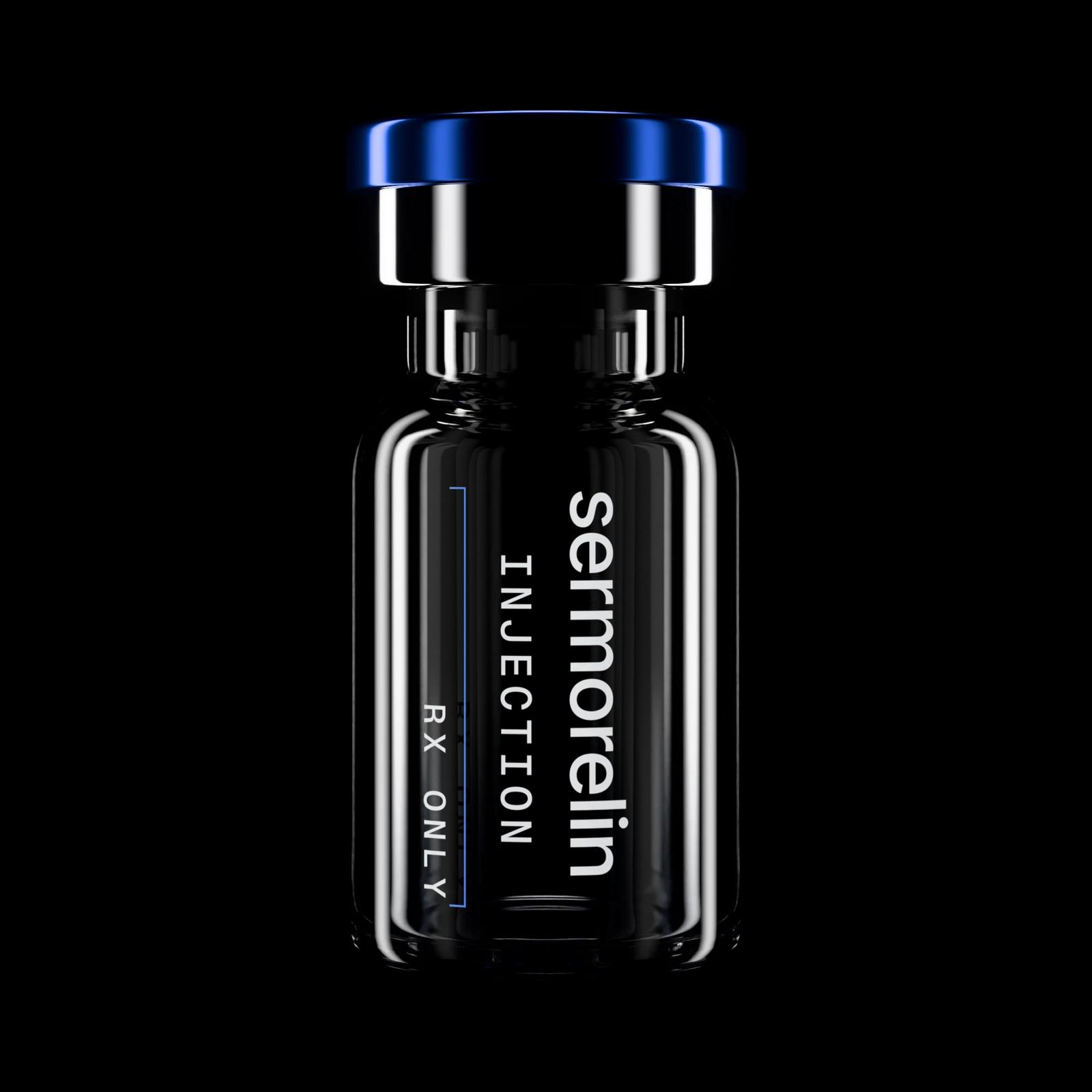
- InjectionCompounded SermorelinA synthetic GHRH analog peptide, by injection or troche, prescribed through Longform Health if a provider decides.Learn more
- Weekly injectionCompounded TirzepatideA once-weekly GIP and GLP-1 receptor agonist injection, prescribed through Longform Health if a provider decides.Learn more
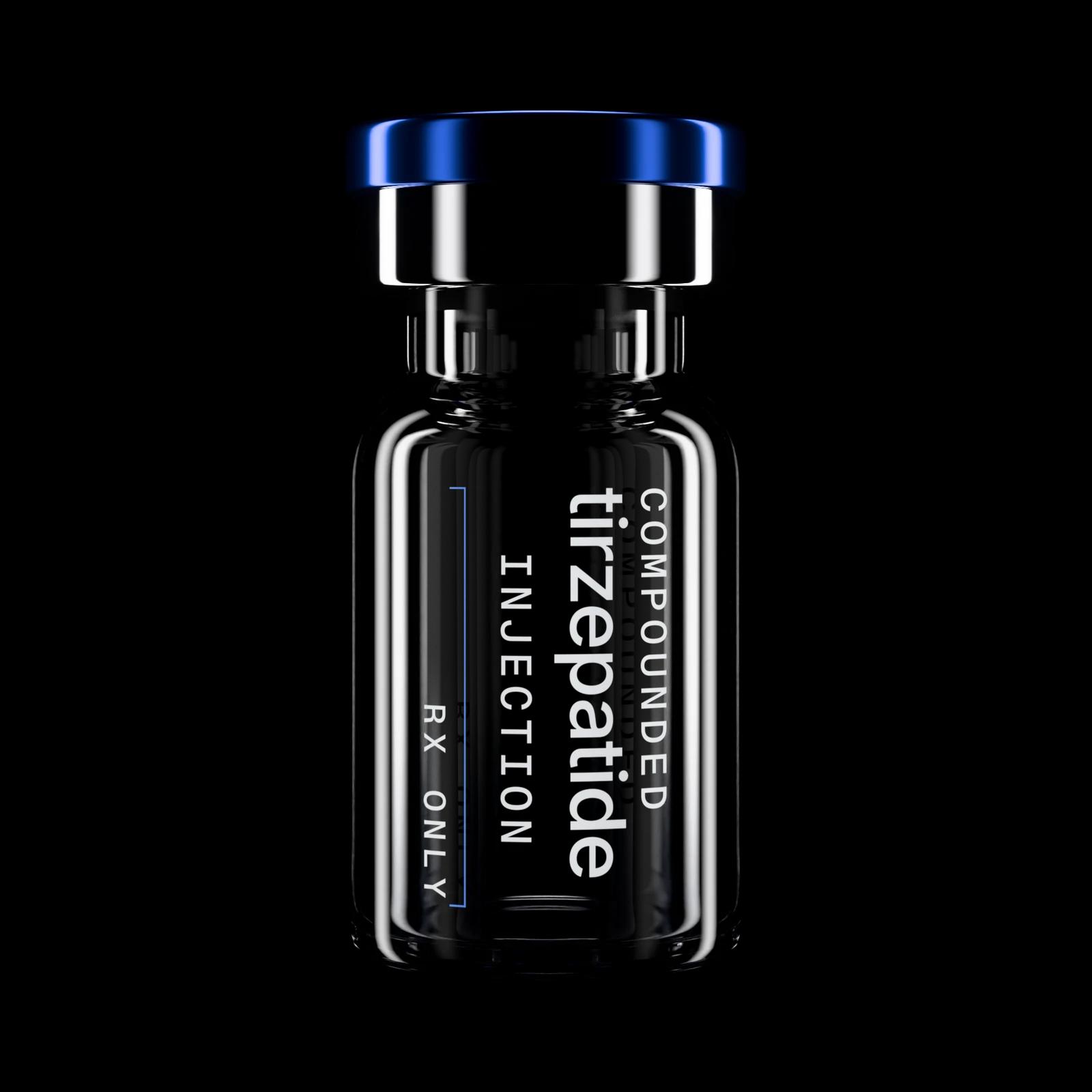
Medication appearance varies by pharmacy.
Compounded medications are prepared by a licensed pharmacy for an individual patient and are not reviewed or approved by the FDA for safety, effectiveness or quality.
Ready when you are.
Start your online visit today. If testosterone for women is right for you, your provider takes it from there.
Treatment is prescribed only if a licensed provider decides it is right for you.
Important safety information
Read the full safety informationCompounded Testosterone for Women
No testosterone product is FDA-approved for women, so this summary is drawn from the label of approved testosterone gel, which is written for men, and from published guidance on testosterone for women.
Testosterone can harm an unborn baby: do not use it if you are pregnant, trying to become pregnant or breastfeeding.
Too much testosterone can cause masculinizing changes, such as more hair on the face or body, acne, hair thinning on the scalp, a deeper voice or an enlarged clitoris, and some may not go away after stopping, so tell your provider about any of them right away.
Approved testosterone gel carries a boxed warning: testosterone on your skin can pass to other people, and children who touched skin where it had been applied have shown signs of early puberty.
Wash your hands with soap and water right after applying, let the cream dry, cover the area with clothing, and wash the area before any skin-to-skin contact.
Other serious risks on the gel's label include higher blood pressure, blood clots in the legs or lungs, and serious fluid retention in people with heart, kidney or liver disease.
Your provider checks your testosterone level before and during treatment, aiming to keep it within the range normal for women.
Get medical help for leg pain, swelling or redness, trouble breathing or chest pain.
It is a Schedule III controlled substance.
Compounded testosterone for women has no FDA labeling of its own.
This summary is drawn from the FDA labeling of an approved testosterone gel, which was not studied with compounded preparations.
Compounded testosterone for women is not FDA-approved.
Who should not use it
- Pregnancy, or trying to become pregnant (testosterone can harm an unborn baby)
- Breastfeeding
- A known allergy to any of its ingredients
Common side effects
- Acne or oily skin
- More hair on the face or body
- Skin irritation where you apply it
- Hair thinning on the scalp
Prescription treatment from a licensed provider, only if appropriate after an online consultation. Treatment is prescribed only if a licensed provider decides it is right for you. A prescription is never guaranteed.
This summary doesn't cover everything. Your provider goes over the risks and side effects with you before you start, and your care team is there if anything comes up.
You are encouraged to report negative side effects of prescription drugs to the FDA. Visit www.fda.gov/medwatch, or call 1-800-FDA-1088.
If you think you are having a medical emergency, call 911.