
Compounded Glutathione
May support your cells' antioxidant defenses
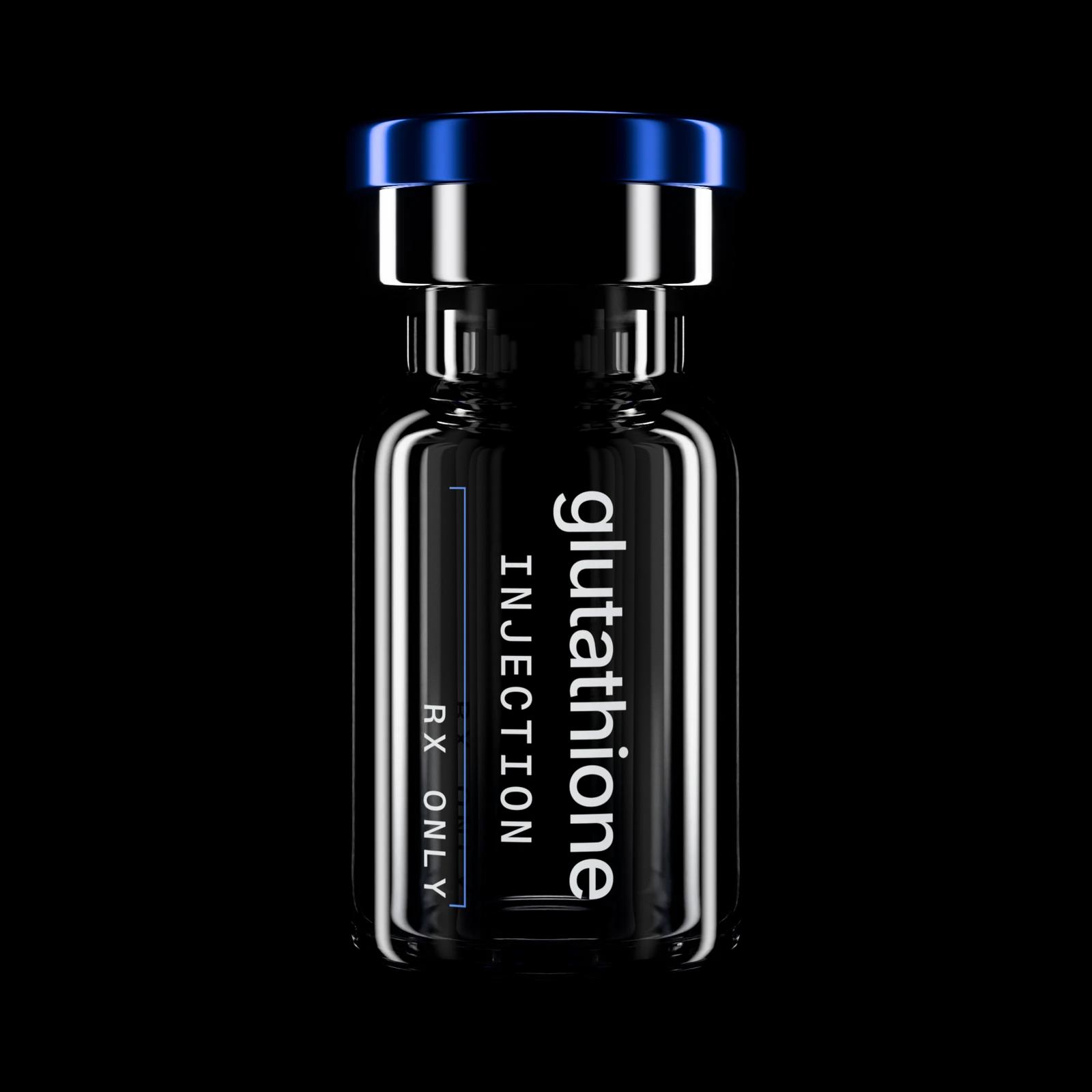
Benefits may include
- Supports your body's natural antioxidant defenses
- Helps protect cells from everyday oxidative stress
- Supports levels that can decline with age, stress and lifestyle
- An easy addition to a broader wellness routine
Form
Injection
On the schedule your provider sets
- 3 month supply minimum
- Starting at$169/month
Prices shown are for the starting dose. Your card is held at checkout. You're billed monthly, as your prescription allows and for what you order. If your plan renews, cancel in your patient portal at least 48 hours before the next renewal to avoid the next charge.
Treatment is prescribed only if a licensed provider decides it is right for you.
- Injection
- At home
- Dose set by your provider
- Tripeptide
- Licensed providers
- Licensed U.S. pharmacies
- Secure patient portal
- Discreet delivery
The science
About Glutathione
- What it is
- Glutathione is a small peptide of three amino acids (glutamate, cysteine and glycine) that the body makes in its own cells and that is found in every tissue.
- Class
- Tripeptide
- How it works
- Inside cells, glutathione takes part in oxidation-reduction reactions, working with enzymes called glutathione peroxidases, and the used glutathione is recycled. This describes the glutathione your cells make. How much injected glutathione reaches cells intact, and what it does there in people, has been studied very little.
- How it's taken
- Glutathione is self-injected under the skin at home, on a schedule your provider sets along with the amount.
Sources
- Lu SC. Glutathione synthesis. Biochimica et Biophysica Acta, 2013, PubMed Central, U.S. National Library of Medicine. Accessed November 18, 2026.
- Bulk drug substances nominated for use in compounding under section 503A (updated May 14, 2026), U.S. Food and Drug Administration. Accessed November 18, 2026.
- FDA reminds compounders not to use dietary supplement grade glutathione for injectables (August 27, 2026), U.S. Food and Drug Administration. Accessed November 19, 2026.
- Glutathione (NCI Thesaurus concept C523), NCI Thesaurus, National Cancer Institute (NIH). Accessed November 20, 2026.
- Jomova K et al. Reactive oxygen species, toxicity, oxidative stress, and antioxidants: chronic diseases and aging. Archives of Toxicology, 2023, PubMed Central, U.S. National Library of Medicine. Accessed November 20, 2026.
The information on this site is for general education and is not medical advice.
Compounded medications are prepared by a licensed pharmacy for an individual patient and are not reviewed or approved by the FDA for safety, effectiveness or quality.

Your care
How it works
Five steps, from your symptoms to ongoing care.
Step 1: Symptoms
Tell us what you're noticing and what you'd like to change, in a short, secure online visit.
Step 2: Labs
Your provider decides whether you need lab work first, and if you do, tells you which tests and why.
Step 3: Provider consultation
A licensed provider reviews your symptoms, history and any lab results, and decides whether treatment is right for you.
Step 4: Treatment
If prescribed, your medication is prepared by a licensed U.S. pharmacy and shipped discreetly to your door.
Step 5: Ongoing care
Regular follow-ups, repeat labs when needed, and support from your provider in your secure patient portal.
What's included
- An online visit with a licensed provider
- Your medication, if prescribed, from a licensed U.S. pharmacy
- Discreet delivery to your door
- Ongoing support from your care team in your patient portal
Treatment is prescribed only if a licensed provider decides it is right for you.
Questions
Questions about Glutathione
Short answers to what people ask most. Your provider and care team are there for the rest.
How is compounded glutathione taken?
Glutathione is self-injected under the skin at home. How much and how often is up to your provider, who explains how to inject before you start.
What is glutathione?
A small peptide of three amino acids, glutamate, cysteine and glycine, that your cells make themselves. It is the most abundant small sulfur-containing (thiol) molecule in cells, and it is found in nearly every tissue.
What has the FDA said about injectable glutathione?
The FDA lists glutathione among bulk substances still under evaluation for compounding. In 2022 it recommended against adding glutathione to the list pharmacies may compound from, citing serious reactions reported mostly with glutathione given into a vein or inhaled, though its advisory committee voted to add it. In August 2026 it warned compounders not to use glutathione labeled for dietary supplement use in injectable drugs, after adverse events following intravenous use. Ask your provider where your prescription comes from.
Is glutathione prescribed for skin lightening?
No. Longform Health does not offer glutathione for skin lightening. Glutathione is prescribed only if a licensed provider decides it is appropriate for you, and no glutathione injection is FDA-approved.
Who should not use glutathione, and what are its side effects?
There is no FDA labeling for glutathione to list contraindications or side effects from, so its side-effect profile is not well established. Tell your provider about any allergies, and if you are pregnant, planning a pregnancy or breastfeeding: safety has not been established.
Is compounded glutathione FDA-approved?
No. Compounded glutathione is prepared by a licensed pharmacy for you, from a prescription, and is not reviewed or approved by the FDA for safety, effectiveness or quality.
Related
Explore other treatments
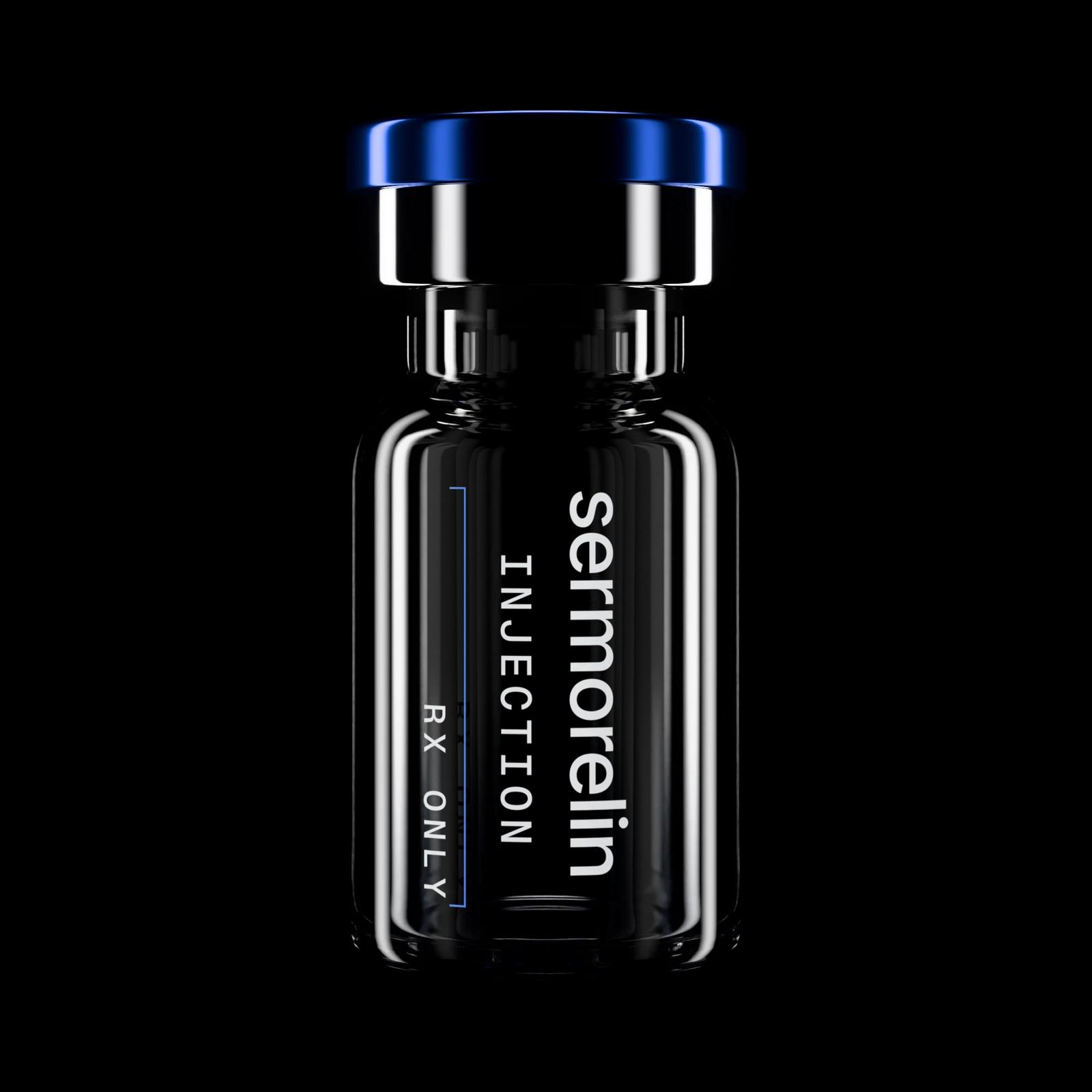
- InjectionCompounded SermorelinA synthetic GHRH analog peptide, by injection or troche, prescribed through Longform Health if a provider decides.Learn more
- InjectionCompounded NAD+A coenzyme, not a peptide, given by injection and prescribed through Longform Health if a provider decides.Learn more
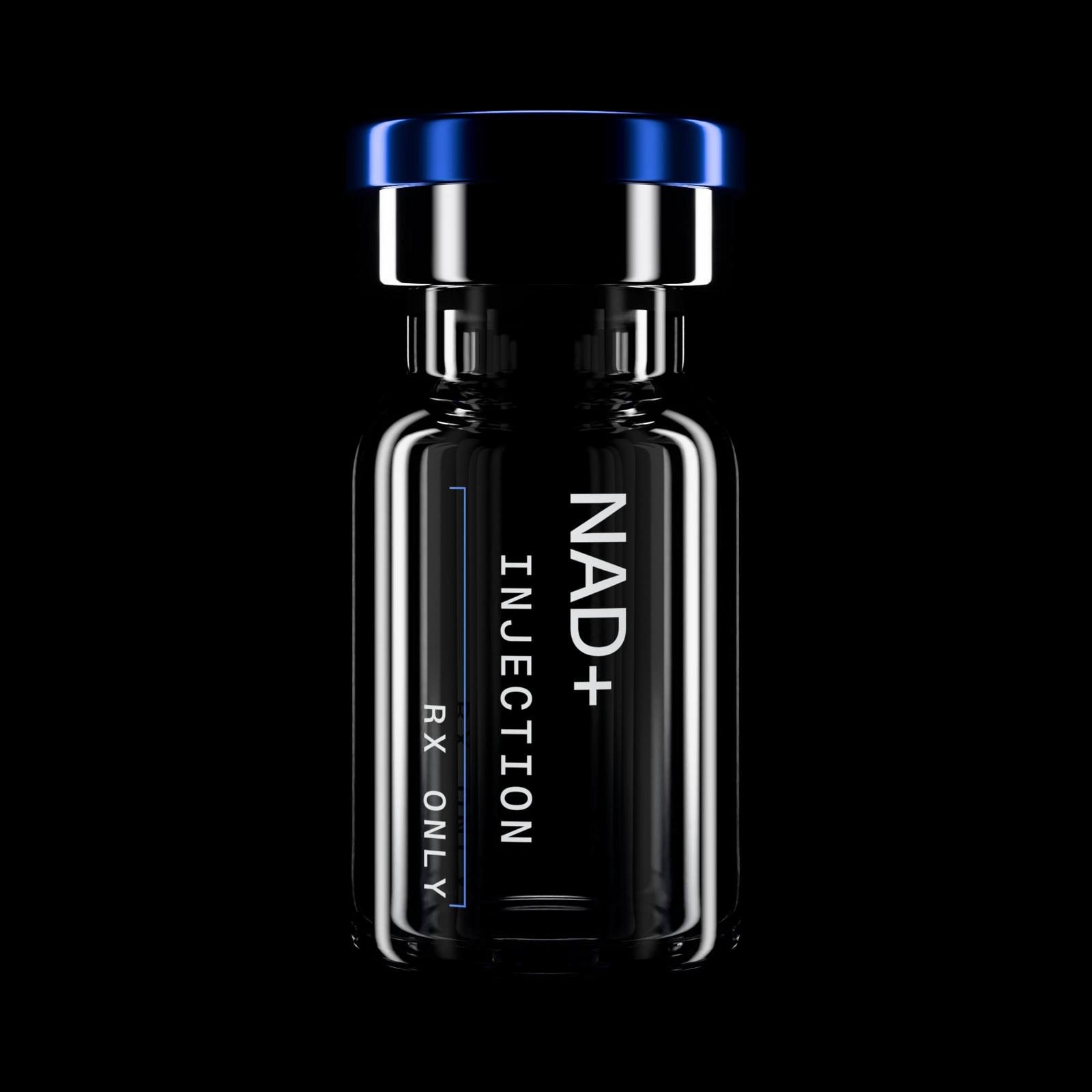
Medication appearance varies by pharmacy.
Compounded medications are prepared by a licensed pharmacy for an individual patient and are not reviewed or approved by the FDA for safety, effectiveness or quality.
Ready when you are.
Start your online visit today. If glutathione is right for you, your provider takes it from there.
Treatment is prescribed only if a licensed provider decides it is right for you.
Important safety information
Read the full safety informationCompounded Glutathione
Get medical help right away for signs of a serious allergic reaction, such as swelling of the face or throat or trouble breathing.
No glutathione injection is FDA-approved, so there is no FDA labeling for it as an injection.
The FDA lists glutathione among bulk substances still under evaluation for use in compounding, so its risks as an injection are less well understood than an approved drug's.
In 2022 the FDA recommended against adding glutathione to the list of substances pharmacies may compound from, citing significant safety concerns, mostly with glutathione given into a vein (IV) or inhaled: reports included life-threatening allergic reactions (anaphylaxis), liver injury and, from the Philippines' FDA, severe skin reactions (Stevens-Johnson syndrome and toxic epidermal necrolysis).
Its advisory committee then voted 8 to 5, with 1 abstention, to add it.
The glutathione prescribed through Longform Health is injected under the skin, not into a vein.
In August 2026 the FDA warned compounders not to use glutathione labeled for dietary supplement use in injectable drugs, after reports of at least 30 patients with adverse events following intravenous glutathione, including fever, chills, dizziness, signs of shock and sepsis-like symptoms; ingredients labeled for dietary supplement use may contain impurities and contaminants, including endotoxins.
Ask your provider where the glutathione in your prescription comes from.
Your provider goes over what is and isn't known before you start.
Compounded glutathione is not FDA-approved.
Who should not use it
- A known allergy to any of its ingredients
- Pregnancy or breastfeeding: safety has not been established
Common side effects
- Because there is no FDA labeling, the full side-effect profile is not well established. Your provider goes over what is known.
Prescription treatment from a licensed provider, only if appropriate after an online consultation. Treatment is prescribed only if a licensed provider decides it is right for you. A prescription is never guaranteed.
This summary doesn't cover everything. Your provider goes over the risks and side effects with you before you start, and your care team is there if anything comes up.
You are encouraged to report negative side effects of prescription drugs to the FDA. Visit www.fda.gov/medwatch, or call 1-800-FDA-1088.
If you think you are having a medical emergency, call 911.