
Compounded Tirzepatide
May support appetite control and blood sugar
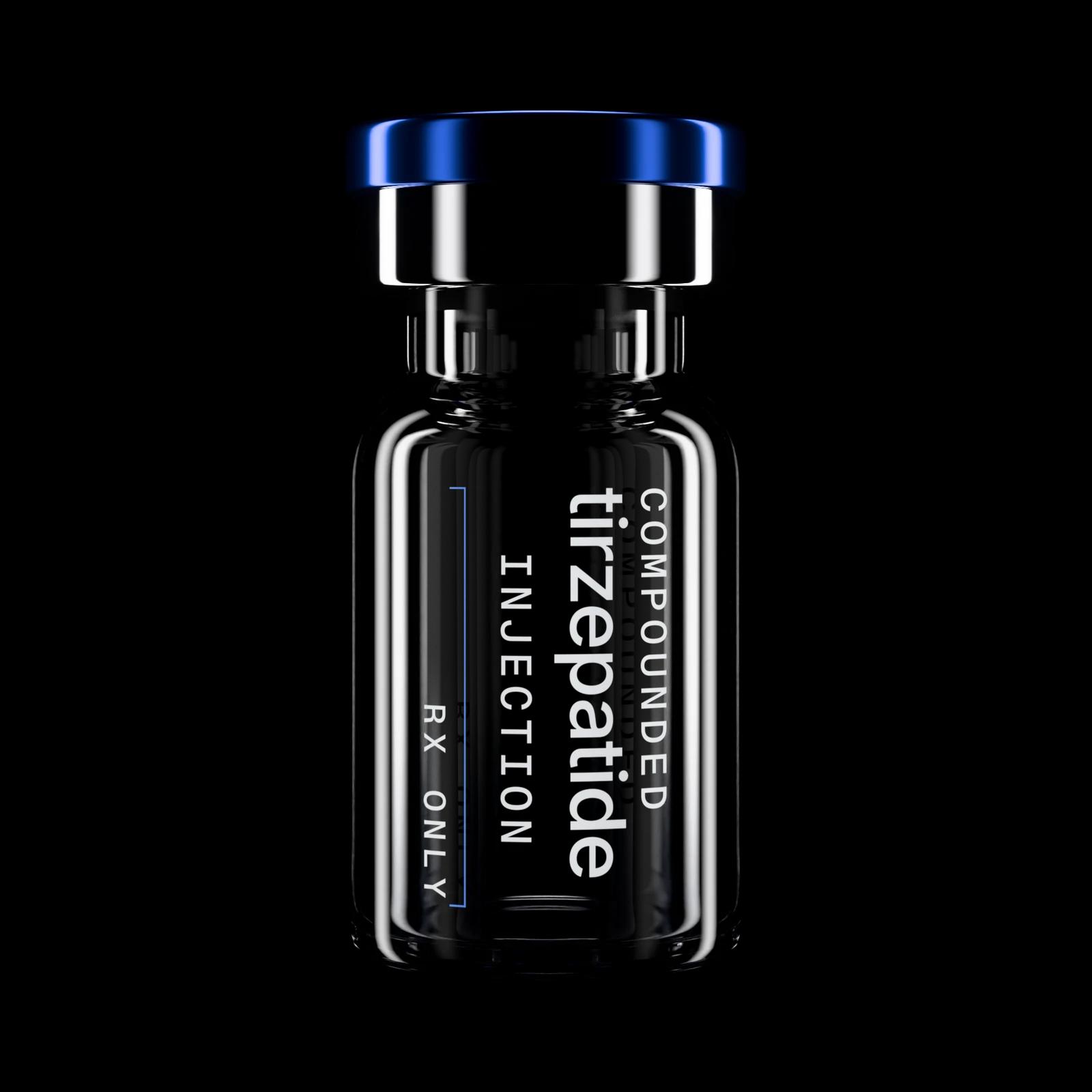
Benefits may include
- Meaningful weight loss when combined with a reduced-calorie diet and exercise
- Reduced appetite and food cravings
- Support for healthy blood sugar levels
- Gradual dose increases and provider check-ins to help manage side effects
Form
Weekly injection
Once a week
Formulation
Tirzepatide with Vitamin Blend
- 1 month supply
- Starting at$279
- 3 month supply
- Starting at$249/month
Prices shown are for the starting dose. Your card is held at checkout. You're billed monthly, as your prescription allows and for what you order. If your plan renews, cancel in your patient portal at least 48 hours before the next renewal to avoid the next charge.
Treatment is prescribed only if a licensed provider decides it is right for you.
- Weekly injection
- At home
- Dose set by your provider
- GIP and GLP-1 receptor agonist
- Licensed providers
- Licensed U.S. pharmacies
- Secure patient portal
- Discreet delivery
The science
About Tirzepatide
- What it is
- Tirzepatide is a synthetic peptide based on the amino-acid sequence of GIP, an incretin hormone made in the gut, with a fatty-acid chain attached.
- Class
- GIP and GLP-1 receptor agonist
- How it works
- Tirzepatide binds to and activates the receptors for two incretin hormones, GIP and GLP-1. Its fatty-acid chain binds it to albumin, a protein in the blood. In the approved tirzepatide product, that gives a half-life of about five days, which is why that product is dosed once a week.
- How it's taken
- A small injection under the skin of the stomach area or thigh (or the back of the upper arm, if someone else gives it), once a week, at any time of day, with or without food. Your provider sets your dose and any changes to it, and shows you how to inject.
Sources
- Tirzepatide injection: prescribing information of the approved product (revised August 2026), DailyMed, U.S. National Library of Medicine. Accessed November 18, 2026.
- FDA's concerns with unapproved GLP-1 drugs used for weight loss (content current as of October 1, 2026), U.S. Food and Drug Administration. Accessed November 19, 2026.
- Muller TD et al. Glucagon-like peptide 1 (GLP-1). Molecular Metabolism, 2019, PubMed Central, U.S. National Library of Medicine. Accessed November 20, 2026.
- Incretins (MeSH descriptor D054795), Medical Subject Headings, U.S. National Library of Medicine. Accessed November 20, 2026.
The information on this site is for general education and is not medical advice.
Compounded medications are prepared by a licensed pharmacy for an individual patient and are not reviewed or approved by the FDA for safety, effectiveness or quality.

Your care
How it works
Five steps, from your symptoms to ongoing care.
Step 1: Symptoms
Tell us what you're noticing and what you'd like to change, in a short, secure online visit.
Step 2: Labs
Your provider decides whether you need lab work first, and if you do, tells you which tests and why.
Step 3: Provider consultation
A licensed provider reviews your symptoms, history and any lab results, and decides whether treatment is right for you.
Step 4: Treatment
If prescribed, your medication is prepared by a licensed U.S. pharmacy and shipped discreetly to your door.
Step 5: Ongoing care
Regular follow-ups, repeat labs when needed, and support from your provider in your secure patient portal.
What's included
- An online visit with a licensed provider
- Your medication, if prescribed, from a licensed U.S. pharmacy
- Discreet delivery to your door
- Ongoing support from your care team in your patient portal
Treatment is prescribed only if a licensed provider decides it is right for you.
Questions
Questions about Tirzepatide
Short answers to what people ask most. Your provider and care team are there for the rest.
How is compounded tirzepatide taken?
As a small injection under the skin once a week, at home, at any time of day and with or without food. Your provider sets your dose and any changes to it, and shows you how to inject if you have never done it before.
Who should not take tirzepatide?
The approved tirzepatide product's label says not to use it with a personal or family history of medullary thyroid cancer or MEN 2, or after a serious allergic reaction to tirzepatide. Tell your provider if you are pregnant or planning a pregnancy, take another GLP-1 medication, or have severe gastroparesis.
What are the common side effects of tirzepatide?
The approved product's label lists nausea, diarrhea, vomiting, constipation, stomach pain, indigestion and reactions where you inject among the most common, especially after starting or a dose change. If nausea is a problem, ask your provider whether an anti-nausea medication such as ondansetron is appropriate for you. Your provider goes over side effects with you, and the full safety information is on this page.
Does tirzepatide affect birth control pills?
It can make them less reliable, because it slows how quickly the stomach empties. The approved product's label advises switching to a non-oral method, or adding a barrier method, for 4 weeks after starting and for 4 weeks after each dose increase. Tell your provider which birth control you use.
Should my other healthcare providers know I take tirzepatide?
Yes. Tirzepatide slows how quickly your stomach empties, which matters if you need anesthesia or deep sedation, so tell anyone planning a surgery or procedure. Tell your provider about every other medicine you take too, especially insulin or a sulfonylurea (a medicine that makes the pancreas release insulin), which can raise the risk of low blood sugar.
Who decides whether I'm prescribed compounded tirzepatide?
A licensed provider, after reviewing your online visit and health history. The FDA says compounded drugs should only be used in patients whose medical needs cannot be met by an FDA-approved drug. Your provider prescribes compounded tirzepatide only if they decide it is right for you, and not everyone qualifies.
Is compounded tirzepatide FDA-approved?
No. Compounded tirzepatide is prepared by a licensed pharmacy for you, from a prescription, and is not reviewed or approved by the FDA for safety, effectiveness or quality.
Related
Explore other treatments
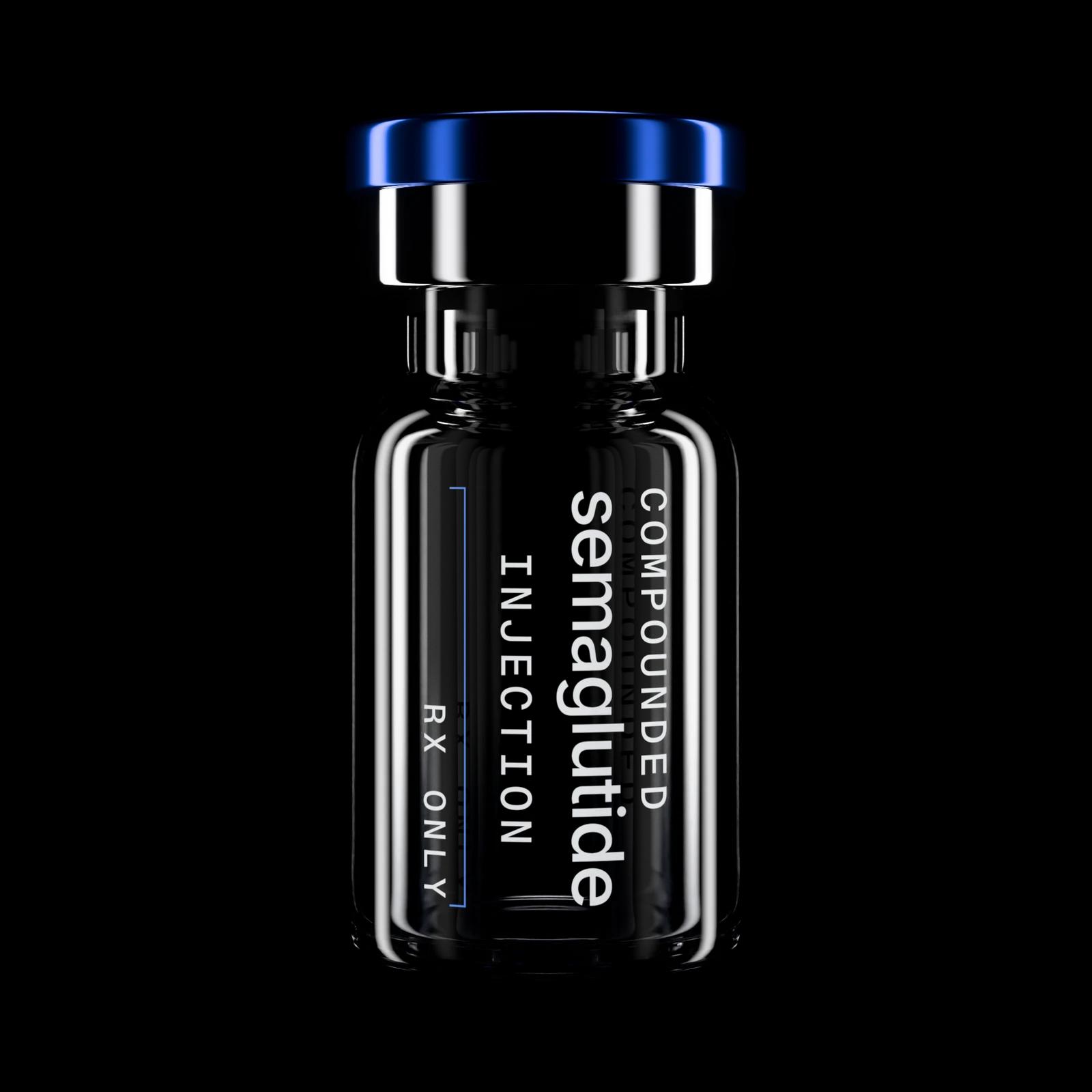
- Weekly injectionCompounded SemaglutideA once-weekly GLP-1 receptor agonist injection, prescribed through Longform Health if a provider decides.Learn more
- Taken by mouthOndansetronA prescription anti-nausea medication taken by mouth, which a provider may add, off-label, if nausea is a problem during GLP-1 treatment.Learn more
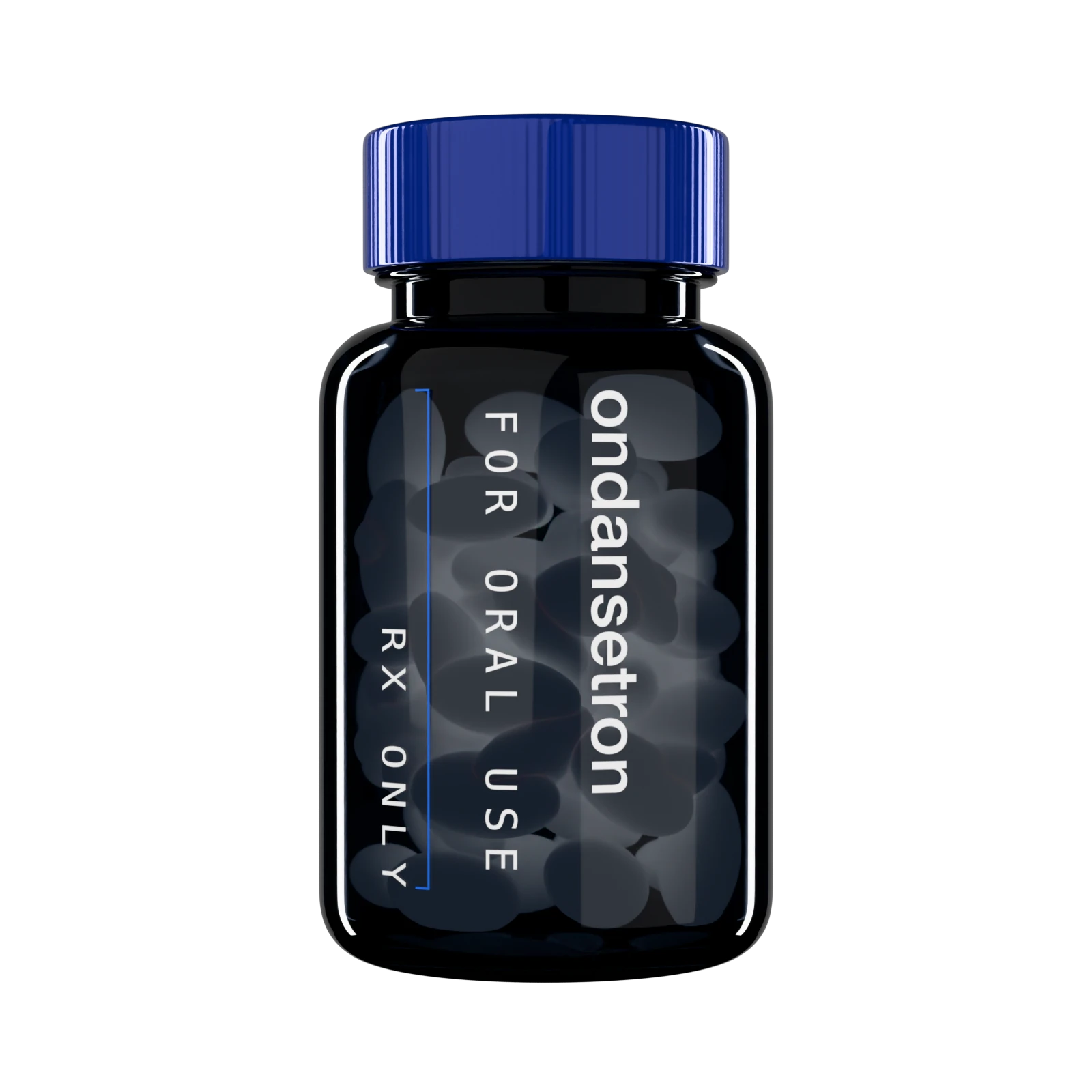
Medication appearance varies by pharmacy.
Compounded medications are prepared by a licensed pharmacy for an individual patient and are not reviewed or approved by the FDA for safety, effectiveness or quality.
Ready when you are.
Start your online visit today. If tirzepatide is right for you, your provider takes it from there.
Treatment is prescribed only if a licensed provider decides it is right for you.
Important safety information
Read the full safety informationCompounded Tirzepatide
Tirzepatide carries a boxed warning.
In rats it caused thyroid C-cell tumors, and it is not known whether it causes these tumors, including medullary thyroid cancer, in people.
Tell your provider right away about a lump or swelling in your neck, trouble swallowing, shortness of breath, or hoarseness that does not go away.
Other serious risks include:
- severe stomach side effects
- pancreatitis (severe stomach pain that may spread to your back)
- gallbladder problems
- kidney injury from dehydration
- serious allergic reactions
- low blood sugar, which is more likely with insulin or a sulfonylurea (a medicine that makes the pancreas release insulin)
- worsening diabetic eye disease
- breathing food or liquid into the lungs during anesthesia or deep sedation, so tell anyone planning a procedure that you take it
Tirzepatide can make birth control pills less reliable: the approved product's label advises switching to a non-oral method, or adding a barrier method, for 4 weeks after starting and after each dose increase.
Compounded tirzepatide has no FDA labeling of its own.
This summary is drawn from the FDA labeling of an approved tirzepatide product, which was not studied with compounded preparations.
Compounded tirzepatide is not FDA-approved.
Who should not use it
- A personal or family history of medullary thyroid cancer (MTC), or multiple endocrine neoplasia syndrome type 2 (MEN 2)
- A past serious allergic reaction to tirzepatide or any of its ingredients
Common side effects
- Nausea, vomiting, diarrhea or constipation
- Stomach pain, indigestion, burping or acid reflux
- Redness, itching or other reactions where you inject
- Tiredness
- Allergic reactions, such as rash or itching
- Hair loss
- Dizziness
- Gas or a bloated feeling
- Low blood pressure
Prescription treatment from a licensed provider, only if appropriate after an online consultation. Treatment is prescribed only if a licensed provider decides it is right for you. A prescription is never guaranteed.
The FDA says compounded drugs should only be used in patients whose medical needs cannot be met by an FDA-approved drug.
This summary doesn't cover everything. Your provider goes over the risks and side effects with you before you start, and your care team is there if anything comes up.
You are encouraged to report negative side effects of prescription drugs to the FDA. Visit www.fda.gov/medwatch, or call 1-800-FDA-1088.
If you think you are having a medical emergency, call 911.